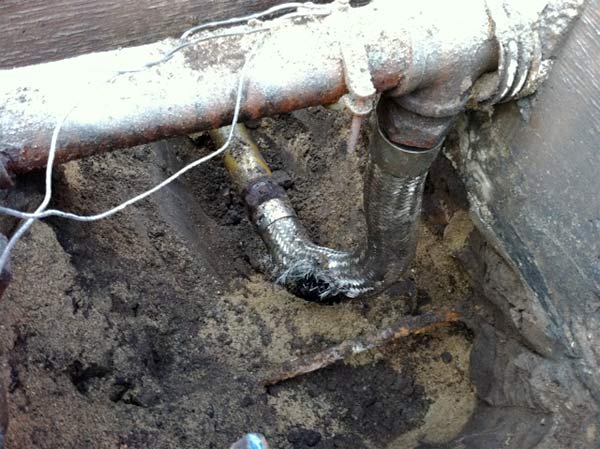
 Over the years we’ve heard some interesting ways UST operators have discovered underground leaks from UST systems. For example:
- A night watchman at a site happens to discover fuel coming out of the ground during a routine perimeter inspection.
- A bank calls the owner of a site to say they are way overdrawn on their account. The owner then recalls ordering many extra deliveries that month and didn’t put two and two together.
- A neighbors house catches fire when the basement fills up with gasoline from a nearby gas station.
- A neighbors drinking water well smells like gasoline. The nearby UST owner didn’t notice anything usual prior to the discovery.
- High groundwater forces an empty tank out of the ground, breaking concrete and piping. The tank was not properly anchored.
 More than once a UST operator in class has said to me “If there was a leak I’d notice it in my stick readings.” To that I reply “If you can find it on your stick readings you’ve found a BIG leak. I’m talking about finding a TINY leak.”
Detecting the tiniest leak as soon and as often as possible: that’s the job of the trained UST operator.
As operators in our Class A/B training know, leaks do add up. A drip a second from a leaking UST equals about 0.1 gallons per hour or about 2.4 gallon lost per day. That’s over 800 gallons a year. If you add the cost of lost inventory combined with cleanup costs and fines, you are looking at a major expense plus a public relations black eye.
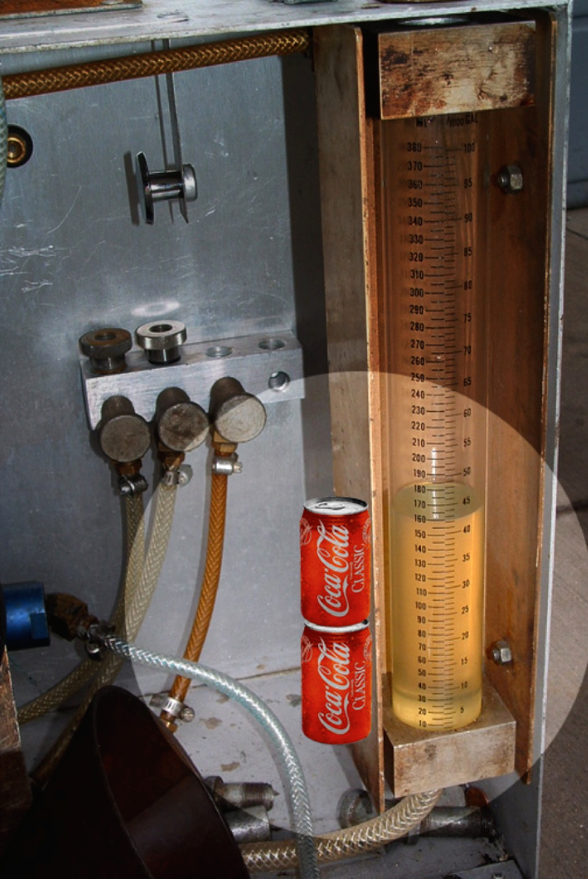
Another thing UST operators don’t always appreciate is that a monthly leak test from your tank monitor cannot find a super small leak. As our students know, a 0.2 gallon per hour leak equals about two cans of soda pop in one hour. That’s a 5 gallon a day loss or over 1,700 gallons per year.
And leak rates don’t stay the same over time, A leak in a pipe usually gets worse as the hole gets bigger due to worsening conditions of the pipe material. And leaks from a pressurized line can push a lot of fuel into the ground because of line pressure. Remember, pressurized piping doesn’t care if there’s a hole in the line. It will continue to push fuel out a hole unless a) there’s a leak detector to alert you and b) you know the warning signal and promptly respond.
Some take home things to consider:
- Your leak detection equipment may not find the smallest leak.
- Redundant systems like a monthly 0.2 gph test and interstitial monitoring increases your ability to find a leak.
- Many times the leak detection device finds a situation and sends you the signal but you may not know that the alarm means. Train yourself and your staff on your particular alarms scenarios.
- It’s the pressurized pipes that often give us the biggest leaks. Put the majority of your leak detection effort into the piping.
- The more often you test, the better you’ll sleep at night.
- If you really want to be a top rate operator, don’t end up as one of my stories 🙂
