Being Safe During a UST Inspection
Being Safe During a UST Inspection
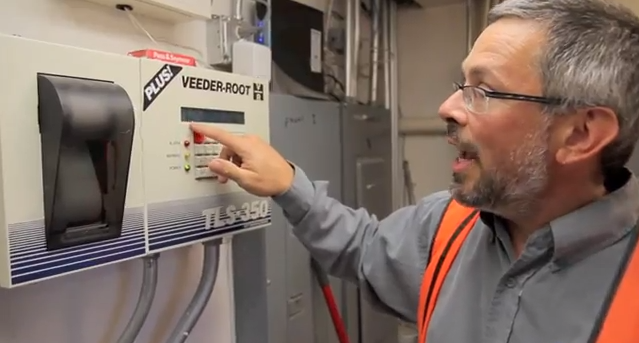 Some Class A/B operators get inspired after taking our training course to perform a daily, weekly or monthly UST inspection. This is an excellent idea for many reasons:
- It helps re-enforce what you learned during training, making you a more competent UST operator.
- Your state may require periodic inspections.
- Your company policy may require periodic inspections.
- Your next compliance inspection should go smoother because you’ve been been diligently checking your equipment and any surprises would have been found by you and not the state inspector.
Read More →
Be Careful When Working With Diesel Fuel
Most safety conversations I have with Class A/B UST operators focus on gasoline, rather than diesel fuel because gasoline is known to be flammable where diesel is “only combustible.” Here’s a story of a tragic accident involving diesel fuel. Food for thought… (Thanks to Steel tank Institute for sharing this link).
Man identified in deadly Pymatuning Twp. explosion
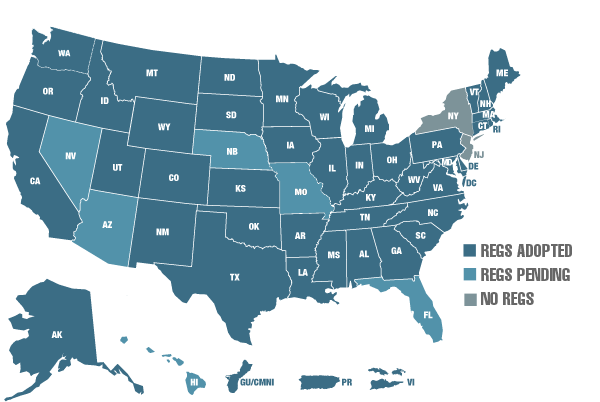
States With Requirements More Stringent Than The Federal Significant Operational Compliance Requirements
UST Operator Refresher Training: How often?
I’ve updated and republished this article since a few more states now have training refresher rules.
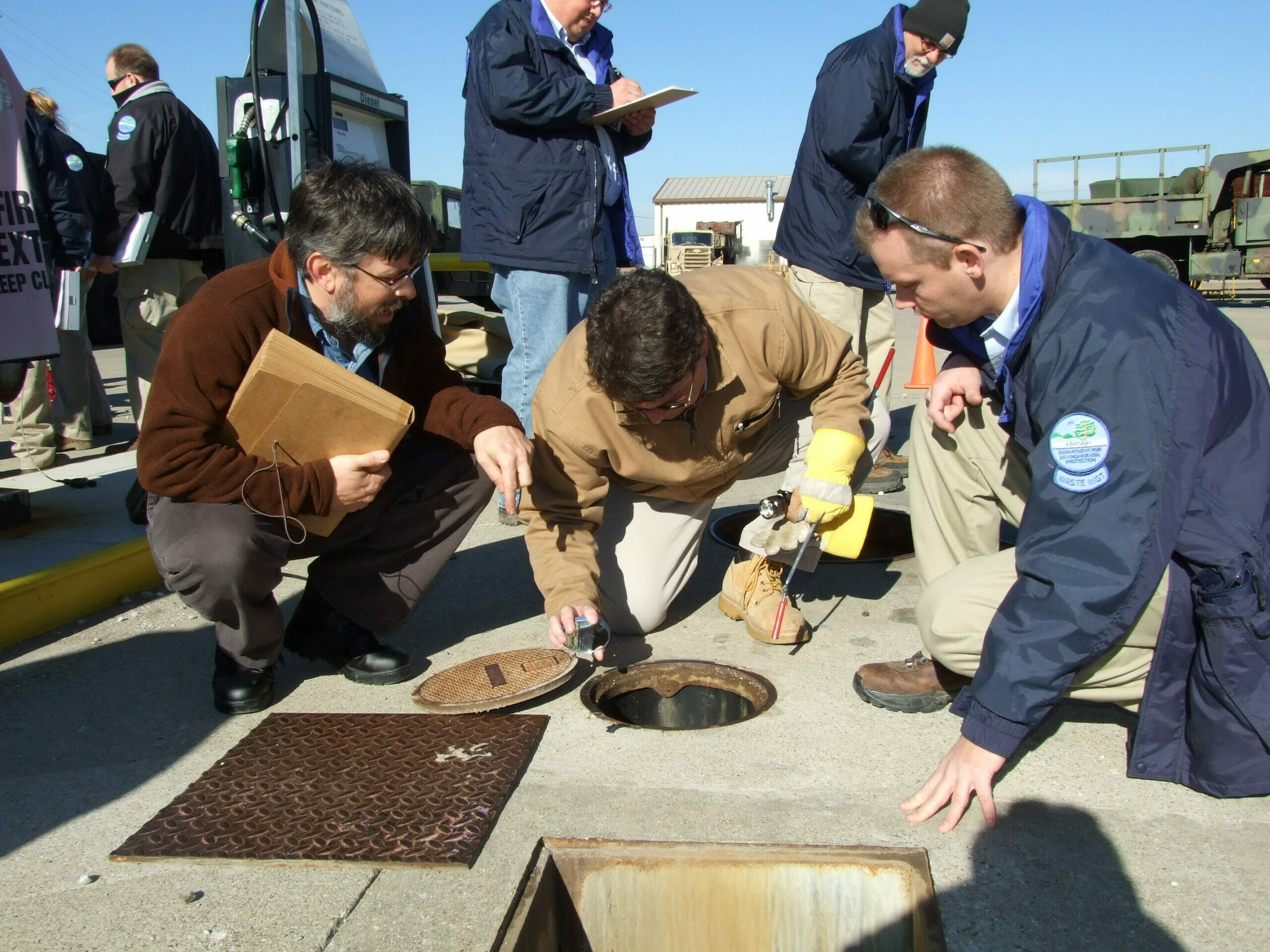 We like to think the UST Operator Training Deadline of August 8, 2012, is the beginning of the training requirement and not the ending, due to refresher requirements and staff turnover. In our ongoing efforts to help operators always plan for tomorrow, here’s something to consider: refresher training.
Read More →
KY TOOLS: Another State On-Line Training Program
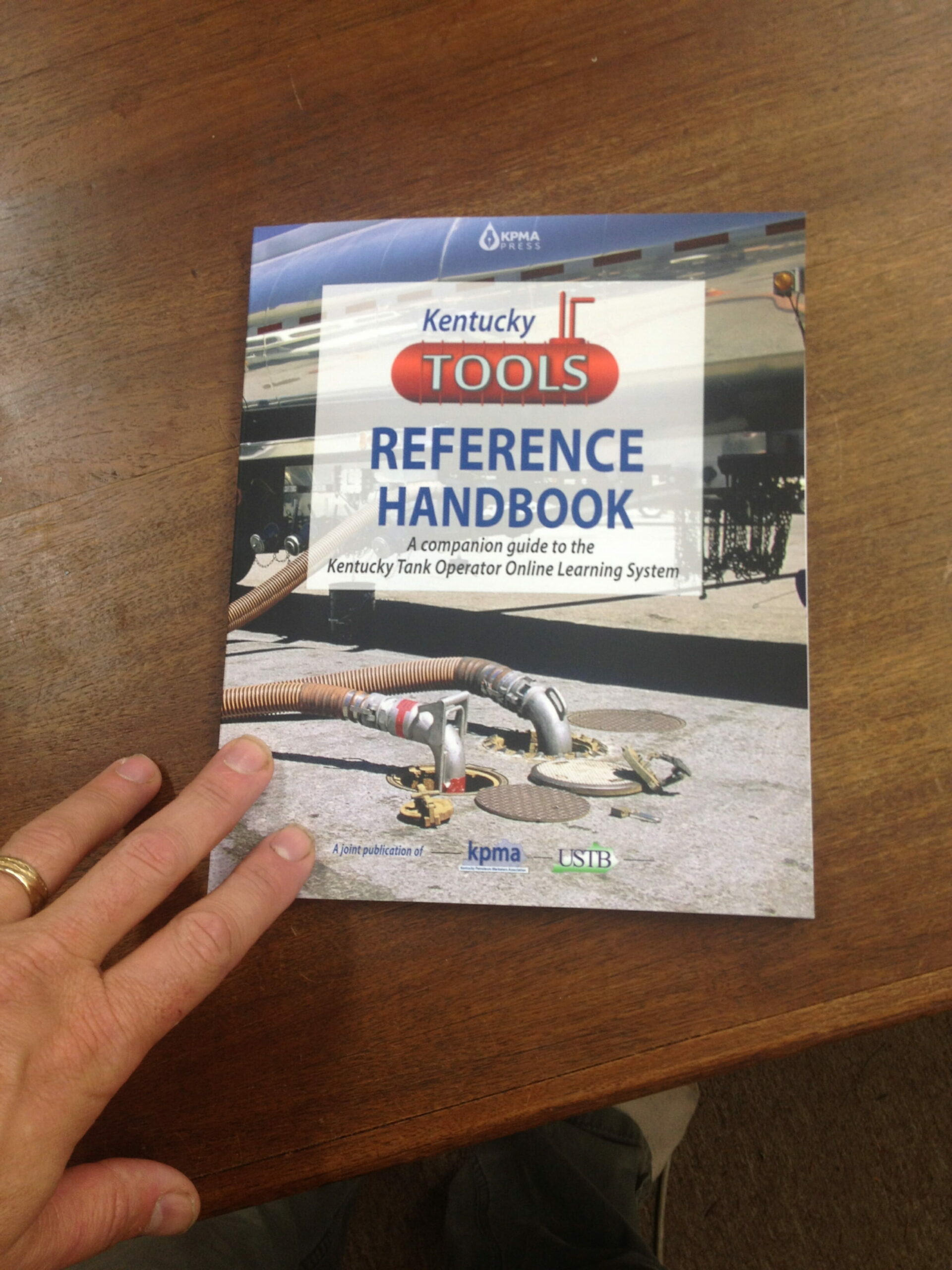 At the National Tanks Conference in Denver a few weeks ago I was pleased to be handed from Leslie Carr a copy of Kentucky’s new and very cool Kentucky TOOLS Reference Book, a companion guide to Kentucky’s Tank Online Operator Learning System (TOOLS) that we at UST Training helped develop. The course is currently available to a select audience and will be ready for public access shortly. To learn more click here.

Thoughts from the National Tanks Conference

(Note: I started writing this article before the government shut down Oct. 1 and I’m finishing it while the folks I’m writing about are out of work and their offices shut down. I hope this will be corrected shortly but meanwhile I’m hoping for the best.)
Recently I had the good fortune of attending the National Tanks Conference and Expo in Denver Colorado September 16-18, 2013. For those who live and breathe UST systems, it’s a dream come true: all major policy makers, regulators, inspectors, owners, technicians and vendors of UST systems under one roof for three days. I’ve attended this show every year since 1996 when I gave my first national talk in Charlotte, NC about why states needed to develop UST web pages for improving technical assistance, which of course in retrospect sounds quaint and slightly absurd but there you have it. Hindsight is 20-20. The conference host NEIWPCC even posted pictures on Flickr. Check it out!
Read More →
Aloha! Hawai’i Class A/B UST Operator Training Now On-Line!
 UST Training is pleased to announce our Hawai’i Class A/B UST Operator training course is now available. Our on-line, self-paced course is approved by the Hawai’i Department of Health.
Our Class A/B platform has been significantly improved and Hawai’i UST operators will be the first to enjoy the new format: More pictures, more stories, more expert advice. To learn more about our new course click here.
Our Class C course was also approved by the Hawai’i DOH and is available now.
Try our new online Class A/B UST operator self-paced course– Free the next two weeks!
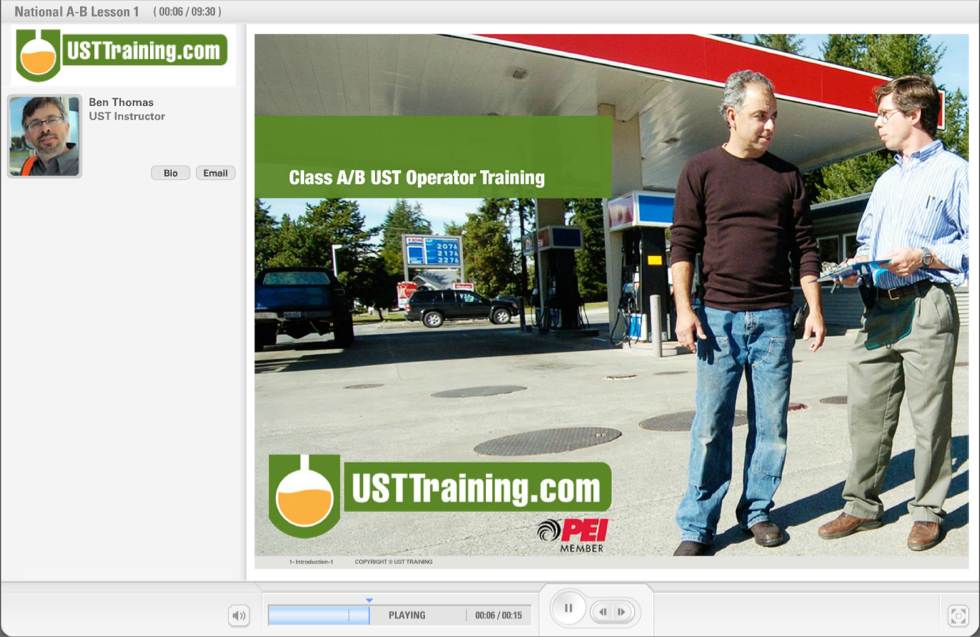 To our friends in the UST industry:
For a limited time we are offering free access to our new online Class A/B UST Operator training that we’ve just launched. It’s a self-paced course that covers the national UST regulations and is excellent for anyone who needs a general (and free) training on UST systems and federal UST laws.
Read More →
Operator Training: Will it catch poor installation problems?
I had the good fortune of having lunch with Larry Gregory yesterday, a retired engineer with Exxon Mobile who’s visited gas stations all over the globe and who probably knows more about designing and building UST systems than anyone I know. We had just met when we found ourselves driving by a convenience store with a cordoned off dispenser, a large pile of dirt and a contractor looking into the pit. Being UST geeks that we are, we stopped by to investigate.
Read More →
Leaking UST Close to Home
Leaking UST systems seem less common in the headlines than they did in the 1990s during the heyday of upgraded and closures. Better equipment, more frequent inspections and operator training should be making our universe tanks less of a public concern. But sometimes you see a headline about a local business and it drives the point home: UST systems still leak. Here’s the story about a local leak on Whidbey Island, Washington.
Freeland fuel spill worries experts from the South Whidbey Record
Come See Us in September in Denver
If you haven’t already made your travel plans, you should strongly consider attending the 2013 National Tanks Conference and Expo at the Denver Sheraton this September 16-18. You can meet hundreds of UST professionals including policy makers, inspectors, operators and contractors from all over the US. We’ll be at Booth #100 so stop by and say hi. If you’d like to know what’s happening nationwide on the operator training front, or if you want expert advice on how make training count in your organization, Ben will be happy to chat with you.
Ben Thomas will also be moderating a session called Then and Now about where we’ve come from, what’s hot now, and what might be happening tomorrow in the world of UST regulations.That’s Monday. September 16 at 3:30 PM at the Governor’s Square Room.
Musing on UST Operator Training by Ben Thomas
Ben Thomas had an article published in NEIWPCC’s BensMusings and below is the article as well.
Read More →
Corrosion in STP Sumps article published in PEI Journal
Here’s an excellent article about what the industry is learning about corrosion in containment sumps of UST systems. The article, authored by EPA, highlights the impacts of ethanol on portions of the UST systems historically not prone to impact due to corrosion and offers some ideas how to address this.
For our trained Class A/B UST operators out there, please pay attention to this important part of the puzzle to keep your UST system safe from unexpected failure.
PMAA’s Position on Proposed EPA UST Rule Changes

Note the large crack in the bottom of the spill bucket: A trained Class A/B operator would know this is bad.
The Petroleum Marketers Association of America (PMAA) has published their opinion of the proposed changes to the Federal UST rule changes and it’s not exactly supportive. According to the PMMA article published below, the changes are essentially cost-prohibitive. PMAA provided a breakdown of estimated annual cost per location (plus the whole nation, $1,553,172,720 annually) but a quick look shows many of the supposed costs are either already being done by operators or already required by state law or both. For example:
Read More →
On-Site Training for Remote Locations
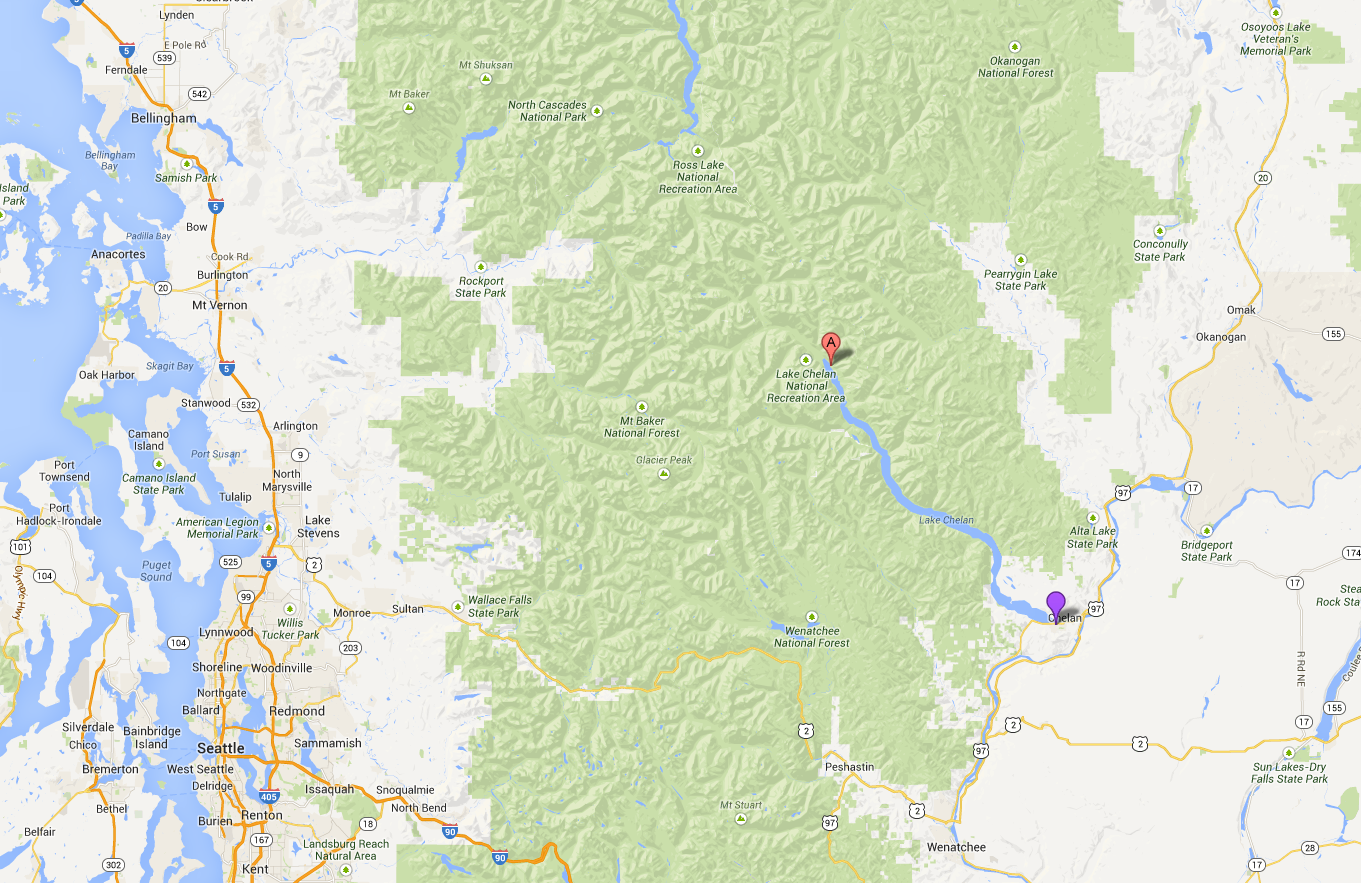
UST at Stehekin Lodge at the top of LakeChelan, WA
It’s not every day you drive 170 miles to a remote town, to take a half-hour float plane to get to a training site but last week Ben Thomas traveled to the Stehekin Lodge in the North Cascades National Park in Washington state and train the A/B operator who could not otherwise get out to a class during their busy summer season. It is probably one of the more remote regulated USTs in the lower 48.
Read More →
Custom Class C UST Operator Training Now Available
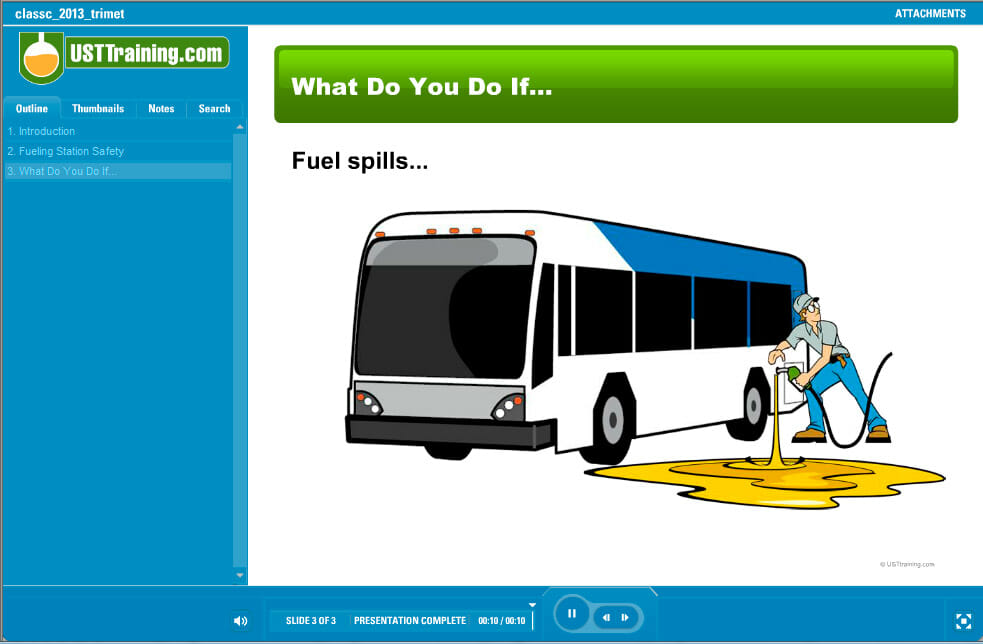 UST Training has just released a customized online class C UST operator training course for TriMet, the Portland Oregon mass transit group.TriMet is not the typical UST operator; for instance, bus drivers only fill buses with diesel. Also, TriMet has some in-house spill response requirements that are above and beyond the Oregon DEQ rules.
Read More →
Does Your UST Operator Training Include How to Store Records?
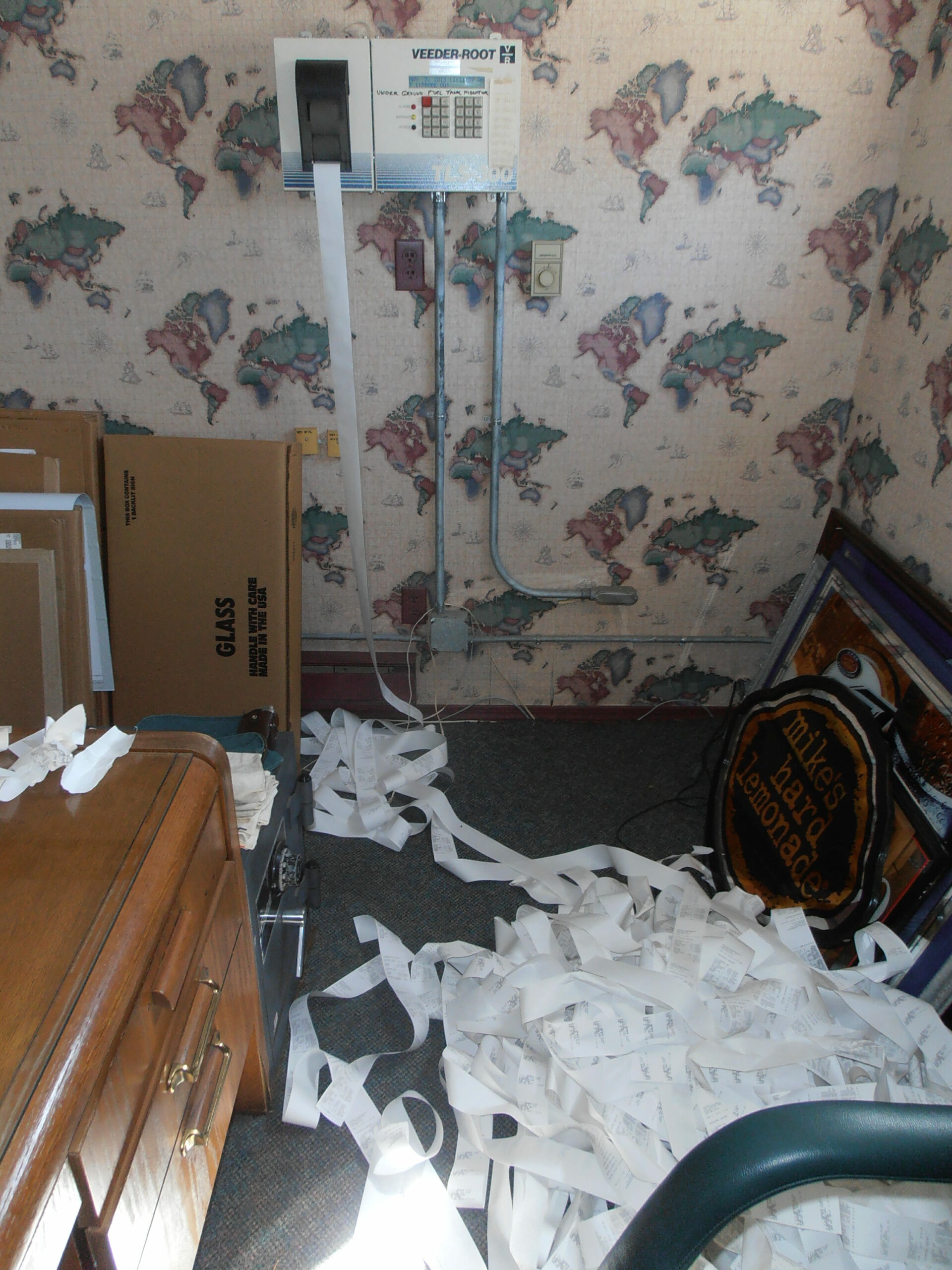
Someone’s Class A/B UST Operator training didn’t include housekeeping tips. Thanks to Spruce Wheelock from the New Hampshire Department of Environmental Services for this gentle reminder to pay attention to your tank gauge.
Find the Defination of Any UST System Term
What’s an Annular Space? How would you define Vapor Recovery? What in the world is DEF? To find out these terms and many more, visit the PEI Wiki page, a virtually dictionary of all things UST. The best Class A, B and C UST operators know there terms. Thanks Petroleum Equipment Institute!

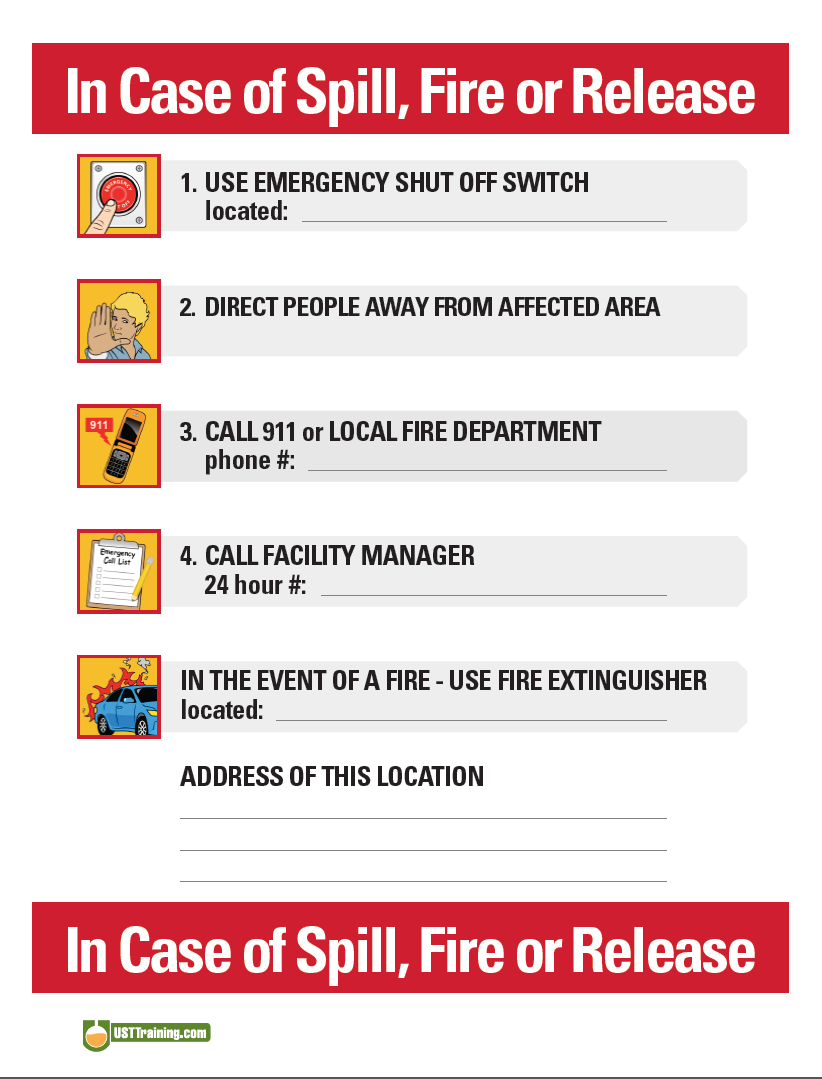
Download our Emergency Response Placard for Free
In honor of being safe this Fourth of July we are offering for customers a free download of our emergency response placard. This important signage is now required in Washington and Oregon but suitable for most state Class A/B UST operators. Just download, print, fill in, laminate, and post.
Be safe this holiday weekend!